Home/Implants & Restorative/Prosthodontics
Restoring teeth, function and confidence. Crowns, bridges, dentures and implant-supported restorations — planned around your bite, gums and priorities by a gold medallist prosthodontist.
Beyond Smiles · Mumbai
Talk to Dr Hetal about restoring your teeth — we’ll explain your options, no pressure.
Prosthodontics is the dental specialty concerned with restoring damaged teeth and replacing missing ones — so that you can chew comfortably, speak clearly and smile with confidence. It combines careful diagnosis with planning of the bite, the gums and the appearance of the teeth as a whole.
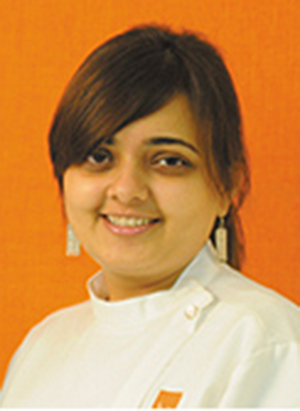
Prosthodontic care at Beyond Smiles is led by Dr Hetal Turakhia, a gold medallist in Prosthodontics with a clinical focus on diagnosis and treatment planning.
The right choice depends on clinical findings, the condition of the remaining teeth, your general health and your priorities. Your dentist will explain the benefits, limitations, costs and alternatives of each option.
Restorations can wear, chip, loosen or develop decay at the margins over time and may need repair or replacement. Dentures may need relining as the gums change. Regular check-ups, good home care and a night guard where grinding is a factor all help restorations last.
A prosthodontist specialises in restoring damaged teeth and replacing missing ones with crowns, bridges, dentures and implant-supported restorations, with careful planning of the bite and appearance.
It depends on how much healthy tooth remains and the forces on the tooth. A large or cracked tooth may need a crown or onlay for protection; smaller cavities are often managed with a filling.
Each has benefits and limitations. The choice depends on bone and gum health, the neighbouring teeth, your general health, budget and preferences. Your dentist will explain the options after an assessment.
It varies. Restorations can last many years with good care, but they can wear, chip or need adjustment or replacement over time. Regular check-ups help.
Yes. Treatment is planned around comfort, function and general health — often with simpler, practical options for older patients.
This is general information and does not replace a clinical assessment. Suitability, options and outcomes vary from person to person.