Home/General Dentistry/Root Canal
Root canal treatment (endodontic therapy) is extremely effective in saving a tooth that is badly infected or decayed.
Beyond Smiles · Mumbai
Talk to a specialist about root canal — we’ll explain your options, no pressure.
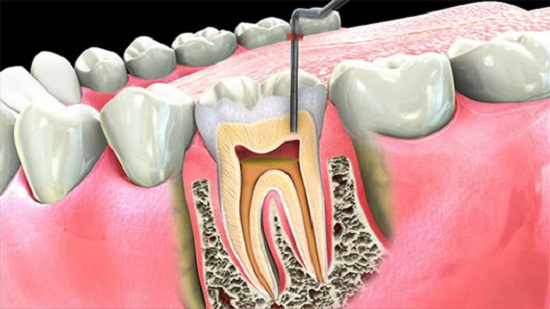
Root canal treatment, also called endodontic therapy, is extremely effective in saving a tooth that is badly infected or decayed. The dentist removes the dead or infected tissue from the tooth, cleans and seals it, and then protects it with a cap (crown).
The decayed part of the tooth and the infection inside the root canals are cleaned, filled and sealed.
With today’s advanced technology, most root canals at Beyond Smiles are finished in a single sitting. Some cases may need two to three sittings.
In rare cases a root canal can fail and the tooth can become re-infected. The first course of action is then to redo the root canal: the infected tissue, old filling material and any other obstacles are removed so the dentist can disinfect and seal the canal again.
After root canal treatment, your dentist will place a crown to protect the tooth against fractures.
We understand that root canals can feel daunting, so we make sure every root canal patient is comfortable — our practice puts patient care and comfort first.
The procedure is carried out under local anaesthesia, and most patients feel pressure rather than pain. Some tenderness for a few days afterwards is common and is usually managed with simple pain relief.
It depends on the tooth, the shape of its canals and whether infection is present. Some teeth are treated in one visit; others need two or more. Your dentist will explain this after assessment.
Back teeth that have had root canal treatment are often weakened and may benefit from a crown or onlay to protect them. Your dentist will advise based on how much tooth structure remains.
The main alternative is extracting the tooth, followed by options to replace it such as an implant, bridge or denture — or leaving the gap. Each has benefits and limitations that can be discussed.
Most treated teeth function well for many years, but success is not guaranteed. Reinfection, cracks or new decay can occur. Regular check-ups help spot problems early, and re-treatment is sometimes possible.
This is general information and does not replace a clinical assessment. Suitability, options and outcomes vary from person to person.
General Dentistry
General Dentistry
General Dentistry
General Dentistry